




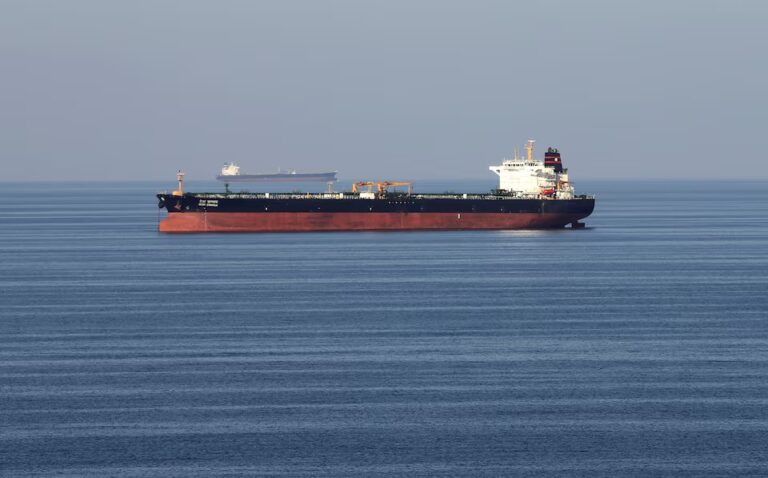
According to Wale Ajibade, Executive Director of Sahara Group, the vessel reflects Sahara’s commitment to delivering infrastructure that directly improves lives.
“MT Asharami Ghana is more than a vessel; it is part of a deliberate strategy to strengthen LPG supply security and support Ghana’s clean energy ambitions. It secures an additional 25,000 metric tonnes of stock for the Ghanaian economy, alongside the soon-to-be commissioned 6,000- and 12,000-metric-tonne land storage facilities in Tema,” he said.
With the addition of Asharami Ghana, Sahara Group’s LPG carrier fleet now comprises six delivered vessels with a combined capacity of 202,000 cubic metres. Supported by partnerships with WAGL Energy, NNPC Limited, and other stakeholders, an additional 270,000 cubic metres of capacity is under construction and due for delivery by September 2028.
The Managing Director of Asharami Ghana, Madam Yaa Serwaa Alifo, stated that expanding LPG storage and distribution capacity aims to improve supply reliability, strengthen market stability, and position Ghana to meet rising demand driven by industrial growth and clean cooking initiatives. She described the vessel commissioning as a strategic investment that strengthens Ghana’s downstream petroleum infrastructure and enhances national energy security.
Madam Alifo said the vessel represents confidence in Ghana’s growth, confidence in the regulatory framework, and confidence in the long-term sustainability of the downstream sector.
She stated that the investment aligns with President Mahama’s vision of building a resilient and sustainable downstream sector that promotes cleaner energy solutions while ensuring accessibility and security of supply for Ghanaian households and businesses.
“Today, we commission not merely an asset at sea, but a stronger foundation for Ghana’s energy future — a decisive step forward in building a resilient, secure, and modern downstream sector,” Madam Alifo said.
The Managing Director acknowledged the leadership of the Minister of Energy and the National Petroleum Authority in maintaining regulatory discipline, stating that strong oversight remains essential to sustainable sector growth.
She described the vessel commissioning as a strategic investment that strengthens Ghana’s downstream petroleum infrastructure and enhances national energy security.
Madam Alifo said the vessel represents confidence in Ghana’s growth, confidence in the regulatory framework, and confidence in the long-term sustainability of the downstream sector.
She stated that the investment aligns with President Mahama’s vision of building a resilient and sustainable downstream sector that promotes cleaner energy solutions while ensuring accessibility and security of supply for Ghanaian households and businesses.
“Today, we commission not merely an asset at sea, but a stronger foundation for Ghana’s energy future — a decisive step forward in building a resilient, secure, and modern downstream sector,” Madam Alifo said.
The Managing Director acknowledged the leadership of the Minister of Energy and the National Petroleum Authority in maintaining regulatory discipline, stating that strong oversight remains essential to sustainable sector growth.
 She pledged that Sahara Group remains committed to investing responsibly, operating safely, and partnering with stakeholders to contribute meaningfully to Ghana’s energy transformation.
Madam Alifo also expressed appreciation to partners and hosts for their technical expertise and collaboration in delivering the project, noting that the achievement is the result of a shared commitment between government, regulators, the private sector, and international partners.
She pledged that Sahara Group remains committed to investing responsibly, operating safely, and partnering with stakeholders to contribute meaningfully to Ghana’s energy transformation.
Madam Alifo also expressed appreciation to partners and hosts for their technical expertise and collaboration in delivering the project, noting that the achievement is the result of a shared commitment between government, regulators, the private sector, and international partners.



 Nuclear power is expected to complement existing renewable energy sources such as geothermal, hydro, wind, and solar by providing consistent power generation regardless of weather conditions.
Beyond the governor’s office, the delegation also held consultations with the Kisumu County Commissioner and members of the Kisumu County Assembly, including the Speaker.
These engagements provided an opportunity to brief local leadership on the progress of Kenya’s Nuclear Power Programme and discuss the importance of coordinated planning between national and county governments.
Participants emphasised that transparency, public participation, and continuous engagement with communities will be essential as the programme moves into the next stages of development.
Ensuring that citizens are well informed about both the opportunities and safety considerations associated with nuclear power remains a key priority for the implementing agencies.
Kenya Electricity Generating Company (KenGen), as the designated nuclear power owner-operator for Kenya’s first nuclear power plant, continues to work closely with Nuclear Power and Energy Agency (NuPEA) and other stakeholders to advance the programme as part of Kenya’s broader clean energy transition and long-term energy security strategy.
Nuclear power is expected to complement existing renewable energy sources such as geothermal, hydro, wind, and solar by providing consistent power generation regardless of weather conditions.
Beyond the governor’s office, the delegation also held consultations with the Kisumu County Commissioner and members of the Kisumu County Assembly, including the Speaker.
These engagements provided an opportunity to brief local leadership on the progress of Kenya’s Nuclear Power Programme and discuss the importance of coordinated planning between national and county governments.
Participants emphasised that transparency, public participation, and continuous engagement with communities will be essential as the programme moves into the next stages of development.
Ensuring that citizens are well informed about both the opportunities and safety considerations associated with nuclear power remains a key priority for the implementing agencies.
Kenya Electricity Generating Company (KenGen), as the designated nuclear power owner-operator for Kenya’s first nuclear power plant, continues to work closely with Nuclear Power and Energy Agency (NuPEA) and other stakeholders to advance the programme as part of Kenya’s broader clean energy transition and long-term energy security strategy.

