


 Quinn revealed that Africa remains Meren Energy’s investment priority, with Nigeria ranking as its number one market.
“We have operated in the Agbami, Akpo and Egina world-class fields. Over the past 20 years, approximately $11 billion in capital from our side has gone into these assets, while about $4 billion has been paid in taxes and royalties,” he said.
“Nigeria remains the core of our business today because of the quality of these assets.”
According to Quinn, Meren Energy is encouraging its partners in these assets to deepen their investments and boost overall production.
He added that Meren Energy was the first company in Nigeria to sell crude oil to the Dangote Refinery and would continue to meet its Domestic Crude Supply Obligation, provided market prices remain favourable.
Quinn revealed that Africa remains Meren Energy’s investment priority, with Nigeria ranking as its number one market.
“We have operated in the Agbami, Akpo and Egina world-class fields. Over the past 20 years, approximately $11 billion in capital from our side has gone into these assets, while about $4 billion has been paid in taxes and royalties,” he said.
“Nigeria remains the core of our business today because of the quality of these assets.”
According to Quinn, Meren Energy is encouraging its partners in these assets to deepen their investments and boost overall production.
He added that Meren Energy was the first company in Nigeria to sell crude oil to the Dangote Refinery and would continue to meet its Domestic Crude Supply Obligation, provided market prices remain favourable. Nigeria Sets 2026 Oil And Gas Licensing Round for Q3 As Production Nears OPEC Quota

Africa’s largest crude oil producer and OPEC member, Nigeria, is set to conduct its 2026 oil and gas licensing bid round in the third quarter of the year, according to the Nigerian Upstream Petroleum Regulatory Commission (NUPRC).
The West African nation’s oil production rose to 1.663 million barrels per day (bpd) in April 2026, a significant increase from the 1.546 million bpd recorded in March, underscoring renewed momentum in upstream operations and improved performance across major oil assets.
Crude oil production alone stood at 1.488 million bpd in April, bringing Nigeria close to fully meeting its 1.5 million bpd production quota allocated by the Organization of the Petroleum Exporting Countries (OPEC).
As part of efforts to further ramp up production, the country plans to launch the 2026 licensing round.
Chief Executive Officer of the NUPRC, Mrs. Oritsemeyiwa Eyesan, said the Commission had received approval from the Minister of Petroleum Resources in accordance with the Petroleum Industry Act to proceed with this year’s bid round.
Mrs. Eyesan made the disclosure when Meren Energy (formerly Africa Oil) visited the corporate headquarters of the NUPRC in Abuja last Wednesday, June 3, 2026.
Expressing satisfaction with the progress of the 2025 Licensing Round, she said the commercial bid stage would take place in July, after which preparations for the 2026 licensing round would begin.
According to Eyesan, the strong participation in the 2025 Licensing Round demonstrates that Nigeria is moving in the right direction.
She noted that rising investments and increased production are evidence that Nigeria’s oil and gas sector, under the leadership of President Bola Tinubu, has become increasingly attractive to investors.
“We are also fortunate that the President and Minister of Petroleum Resources has approved the 2026 Licensing Round.
“So, we are in the process of finalising the 2026 launch, which will happen no later than the third quarter. This is a make-or-break point, and we want to make sure we get it right,” she said.
In his remarks, Meren Energy Group Chief Executive Officer Dr. Oliver Quinn said the ongoing reforms had encouraged the company to increase its investments in Nigeria, hence its interest in asset divestments and licensing rounds.
Quinn revealed that Africa remains Meren Energy’s investment priority, with Nigeria ranking as its number one market.
“We have operated in the Agbami, Akpo and Egina world-class fields. Over the past 20 years, approximately $11 billion in capital from our side has gone into these assets, while about $4 billion has been paid in taxes and royalties,” he said.
“Nigeria remains the core of our business today because of the quality of these assets.”
According to Quinn, Meren Energy is encouraging its partners in these assets to deepen their investments and boost overall production.
He added that Meren Energy was the first company in Nigeria to sell crude oil to the Dangote Refinery and would continue to meet its Domestic Crude Supply Obligation, provided market prices remain favourable.
Quinn revealed that Africa remains Meren Energy’s investment priority, with Nigeria ranking as its number one market.
“We have operated in the Agbami, Akpo and Egina world-class fields. Over the past 20 years, approximately $11 billion in capital from our side has gone into these assets, while about $4 billion has been paid in taxes and royalties,” he said.
“Nigeria remains the core of our business today because of the quality of these assets.”
According to Quinn, Meren Energy is encouraging its partners in these assets to deepen their investments and boost overall production.
He added that Meren Energy was the first company in Nigeria to sell crude oil to the Dangote Refinery and would continue to meet its Domestic Crude Supply Obligation, provided market prices remain favourable. Oil Tanker Owners Fear Market Crash After Iran War Drove Record Profits
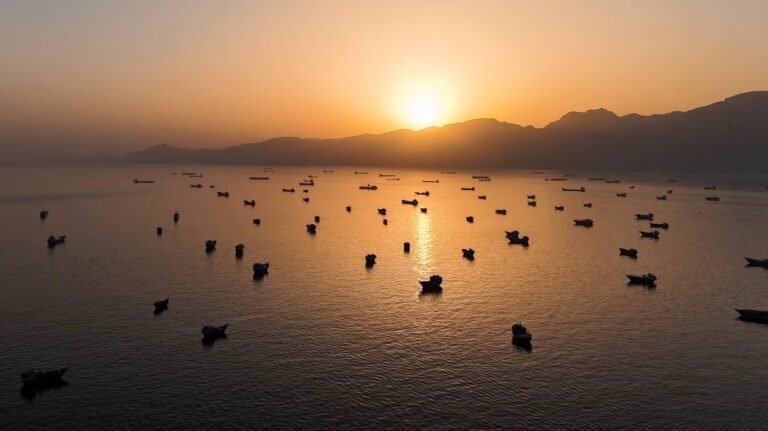
The world’s biggest oil tanker owners have raised the spectre of a market crash only weeks after the closure of the Strait of Hormuz helped power the industry to a quarter of record profits.
Owners are braced for a steep drop in the rates they can charge to charter tankers in the event that the US and Iran reach a deal to reopen the contested waterway, through which a fifth of global oil supplies typically pass.
Iran’s stranglehold on the strait since the war started in February has delivered a windfall for the industry, with profits surging to $36bn in the first quarter, according to Clarksons, one of the world’s biggest shipping brokers.
The previous quarterly record of $26bn was set in 2022.
The risk of a sharp downturn has been heightened after owners ploughed some of their profits into orders for new ships, stoking fears of another boom-and-bust cycle that has been a hallmark of the shipping industry for decades.
The number of the largest oil carriers ordered this year has already surpassed the total for any full year on record, according to maritime data company AXSMarine.
“There is a certainty that it crashes at one point,” said Alexander Saverys, chief executive of CMB Tech, one of the biggest listed shipping companies.
“The market has ordered, in my book, way too many ships. Now that will come and bite us eventually.”
The daily rates tanker owners can command have already eased back from the peaks hit in the early weeks of the conflict, when the average cost of hiring a tanker hit $162,992.
For the largest vessels, which can carry about 2 million barrels of oil a day, the daily rate soared to $386,685.
The effective closure of the strait has left more than 160 oil tankers stranded in the Gulf, limiting the supply of vessels and driving up shipping rates across the world.
A move by owners to route vessels around the Cape of Good Hope to avoid the Red Sea and potential attacks from Houthi rebels has also driven up rates.
Despite traffic through the strait remaining at a near-standstill, the daily average overall rates for tankers have dropped to between $55,000 and $95,000 for the larger vessels in recent weeks in anticipation of a reopening of the strait.
The range is still above the average in recent years of $30,000 to $40,000.
“We need to be very careful,” said Harry Vafias, a major owner of gas and oil tankers, referring to the potential risks facing the industry.
“There has been a lot of investment in second-hand and new building [of ships].”
Tanker orders this year are on track to match 2024, which was the third-busiest year since 2000, according to AXS.
The tanker industry would be one of the few industries to lose out if the volumes of shipping traffic through the strait returned to prewar levels.
The closure of the vital waterway has sent energy prices surging, hurting multiple industries.
The oil tanker industry is dominated by Greek shipowners, with a working fleet valued at $66.4bn, $26bn more than China, according to shipping technology company Veson Nautical.
While the industry is accustomed to boom-and-bust cycles, a string of global shocks this decade, including the coronavirus pandemic and US President Donald Trump’s trade war, has injected more volatility into shipping rates.
But some executives cautioned that the risk of an industry downturn was overblown, saying that this year’s burst of orders for new ships followed a period of undersupply.
Maria Angelicoussis, chief executive of Angelicoussis Group, a privately owned shipping company, said: “When I look at the tanker market, for example, yes, there’s been an uptick in new building orders in the recent past,” but it comes after a period in which there was a lack of vessels.
It was a view echoed by Capital Maritime Group, which is owned by Greek tycoon Evangelos Marinakis and has placed a large order for new ships.
Others argued that the war would lead to lasting changes in how oil was shipped around the world, supporting the fees tanker owners could charge.
The changes include using routes that were less exposed to the threat of conflict.
Angeliki Frangou, chief executive of Navios Partners, a Greek shipping company, told the FT that “excessive newbuilding orders” would push shipping rates lower but the impact would be reduced “by national security considerations of securing reliable energy supply chains”.
Anzana Secures $20 Million From British International Investment To Expand Renewable Energy Projects Across Africa

Anzana Electric Group, a leading developer and operator of hydropower and grid distribution projects across Africa, has secured a $20 million senior secured portfolio debt facility from British International Investment (BII), the UK’s development finance institution and impact investor, to accelerate the construction of run-of-river hydropower projects across the continent.
The facility is designed to address the high upfront costs and lengthy timelines typically associated with arranging project-specific financing.
The BII funding will provide construction financing for Anzana’s well-developed hydropower portfolio, which focuses on small- and medium-scale plants with potential solar hybridisation in East, Central and Southern Africa.
Through the facility, Anzana expects to unlock 10MW of newly installed distributed baseload generation capacity by 2030, generating more than 50 GWh of clean electricity annually for national and regional power grids as well as high-demand centres.
The first project under the facility will be located in Zambia.
If successful, Anzana plans to replicate the approach to enable more efficient financing for future projects in its pipeline.
Anzana’s operating model spans project development, power generation, distribution and interconnection, serving both communities and commercial and industrial customers with reliable electricity supply.
The portfolio is expected to create more than 500 jobs during construction and operations, while expanding electricity access and supporting economic activity across the targeted regions.
Chris Chijiutomi, Managing Director and Head of Africa at British International Investment, said:”Africa faces a significant energy access gap, with nearly 600 million people lacking electricity. We’re committed to working with partners like Anzana to support Mission 300 and provide electricity access to 300 million people in Africa by 2030. Through this financing, we’re helping countries transition to renewable power, strengthen electricity networks, and deliver clean, reliable energy to millions of households.”
Brian Kelly, Chief Executive Officer of Anzana Electric Group, said: “This facility is an important milestone for Anzana as we scale our platform across Africa and expand our close partnership with BII. Through an end-to-end model spanning generation and distribution, including customer connections, we ensure consistent reliability and quality across the entire power value chain.
“Our focus on strong governance, disciplined execution and strategic corridor development enables us to deliver power where it is needed most while supporting national government objectives for sustained long-term economic growth.”
South Africa: Eskom, Zululand Energy Terminal Sign Agreement To Advance 3,000MW Gas-To-Power Project

South Africa’s state-owned power utility Eskom and Zululand Energy Terminal (ZET) have signed a Heads of Agreement (HOA) to establish a long-term strategic partnership aimed at supporting the country’s 3,000MW gas-to-power programme.
Under the agreement, Eskom will assume “foundation customer” status at the proposed Zululand Energy Terminal, which will provide open-access liquefied natural gas (LNG) import, storage and regasification infrastructure to underpin the utility’s planned gas-fired generation project.
The two parties said the agreement marks a major step towards developing South Africa’s gas infrastructure ecosystem and strengthening energy security while supporting the country’s long-term energy transition.
ZET, a joint venture involving Vopak Terminal Durban, Reatile Group Proprietary Limited and Transnet Pipelines, was awarded a concession by the Transnet National Ports Authority to develop, construct, operate and maintain the LNG terminal.
Eskom’s 3,000MW Richards Bay Gas-to-Power Project will be located in the Richards Bay Industrial Development Zone (RBIDZ) in KwaZulu-Natal.
The facility is expected to operate for 25 years and use regasified LNG as its primary fuel source.
According to Eskom, the project will be implemented through a Private Sector Participation (PSP) model, leveraging strategic partnerships, project finance and long-term power off-take arrangements.
The investment is expected to attract international capital and accelerate industrial development in Richards Bay.
Eskom Group Chief Executive Dan Marokane described gas as a bridge fuel that will support South Africa’s transition to a low-carbon energy system.
“Gas plants are designed to complement intermittent renewable sources such as solar and wind, ensuring reliable 24/7 power while clean energy technologies are being developed and introduced onto the grid,” Marokane said.
He added that securing foundation customer status at the Zululand Energy Terminal provides a critical enabler for Eskom’s 3,000MW gas programme and supports the objectives of the Integrated Resource Plan (IRP) 2025.
Zululand Energy Terminal Director and Project Owner Oliver Naidu said Eskom’s participation demonstrates growing confidence in LNG as a driver of energy security, grid stability and industrial growth.
Naidu said the agreement strengthens the commercial foundation of the terminal and paves the way for a Terminal Use Agreement, financial close and the delivery of South Africa’s first LNG import terminal.
South Africa’s IRP 2025 calls for the development of 6,000MW of gas-fired generation capacity by 2030, with 3,000MW expected to come from the Gas Independent Power Producer (IPP) programme and the remaining 3,000MW to be delivered by Eskom.
The partners said the project will help enhance energy security, complement renewable energy sources, reduce diesel consumption for grid stabilisation and mitigate the country’s anticipated “gas cliff” while supporting broader industrialisation.
South Africa: African Power Utilities Join AEW 2026 As Grid Expansion And Electrification Take Center Stage

As the continent intensifies efforts to close the energy access gap, modernize power infrastructure and drive economic development, power utility companies from South Africa, Zambia and Uganda will take center stage at this year’s African Energy Week (AEW) 2026.
Senior executives from Eskom Holdings, ZESCO Limited and Uganda Electricity Transmission Company (UETCL) are speaking at AEW 2026, taking place October 12–16 at CTICC1 in Cape Town South, Africa.
This reflects the increasingly central role utility providers play in shaping Africa’s energy future.
South Africa’s state utility Eskom plays a central role in providing electricity to the market, supporting government targets of scaling generation capacity, strengthening transmission infrastructure and facilitating long-term industrial growth.
Aligned with national policy such as the Integrated Resource Plan 2025 – which envisions the addition of 105 GW of new generation capacity by 2039 – and the Renewable Energy Independent Power Producer program – which seeks to mobilize private investment in power generation –, the company is committed to improving generation performance and sustaining energy supply.
Recent milestones include progress under the General Recovery Plan which has resulted in over one year of uninterrupted power supply, extensions at nuclear power facilities, smart meter rollouts and strengthened supply for industrial users.
Dan Marokane, Group Chief Executive, Eskom Holdings, joins AEW 2026 as Eskom continues to scale generation and transmission capacity across the country.
World Bank Urges Shift to Clean Energy, Stronger Public Investment Amid Rising Oil Market Pressures
Zambia’s power market is experiencing similar growth with expanded hydropower capacity at the Kariba facility, new hydro plants being developed in the Northern provinces and forays into solar.
As the state utility, ZESCO is at the helm of this expansion and is currently pursuing infrastructure upgrades and diversification strategies aimed at improving energy reliability and supporting increasing activity in the mining sector.
Major projects include the 50 MW Mansa Solar Plant, the 200 MW Chisamba Solar Plant and the 100 MW Mailo Solar Plant.
The country is also strengthening transmission ties within neighboring countries, with projects such as the $100 million Kanona line linking Zambia and Tanzania as well as a Zambia-Botswana interconnector project.
Justin C. Loongo, CEO, ZESCO Limited, is speaking at AEW 2026.
Uganda has also been strengthening transmission infrastructure through a range of strategic projects. With the country’s generation capacity more than doubling from 850 MW in 2014 to over 2,052 MW in 2025, focus is gradually shifting to strengthening both domestic and regional distribution networks.
As the state-owned transmission company, UETCL is at the forefront of this strategy. Under the country’s Grid Map Vision 2040 – aimed at expanding transmission networks country-wide – UETCL has advanced several projects in recent months.
The most recent of these is a landmark agreement signed with Gridworks to upgrade the country’s national electricity transmission network. Richard Matsiko, CEO, UETCL, is expected to share further insight at AEW 2026.
“Power utilities are at the heart of Africa’s industrial future. If we are serious about making energy poverty history, we need stronger collaboration between utilities, governments, investors and technology providers. Africa does not lack energy potential – it needs integrated infrastructure, modern grids and partnerships capable of delivering reliable electricity to industries, businesses and households across the continent,” stated NJ Ayuk, Executive Chairman, African Energy Chamber.
Gambia, Italy’s Eni Sign Landmark Petroleum Exploration Agreement For Block A1

The Gambia has signed a landmark Petroleum Exploration, Development and Production Licence Agreement (PEPLA) with Eni Gambia Ltd, a subsidiary of Italian energy giant Eni S.p.A.
The agreement, signed on Friday, 5th June 2026, grants Eni Gambia Ltd exploration rights over Offshore Block A1 — a 1,300-square-kilometre deepwater area along the Atlantic Margin off the coast of The Gambia, with water depths reaching up to 3,300 metres.
The block is located in a region with proven hydrocarbon discoveries and comparable geological settings.
Under the terms of the PEPLA, the Gambian state will hold a 10% equity interest in Block A1, carried through the exploration phase and represented by the Gambia National Petroleum Corporation.
The agreement follows a rigorous multi-year engagement process coordinated by the Petroleum Commission of The Gambia, encompassing national data room visits, pre-qualification under a formal Request for Information process, and extensive technical and commercial negotiations.
 The agreement establishes a legal and commercial framework for the exploration and potential development of hydrocarbon resources within Block A1.
Commenting on the agreement, Minister for Petroleum, Energy and Mines, Hon. Nani Juwara, said: “The signing of this Petroleum Exploration, Development and Production Licence Agreement with Eni is a proud and defining moment for The Gambia’s energy sector. It reflects the confidence that a world-class operator has placed in our country’s resource potential and in the credibility of our investment climate. The government under the leadership of His Excellency Adama Barrow is committed to ensuring that every step of this exploration journey is conducted with environmental responsibility and with the long-term interests of the Gambian people at its centre. We enter this chapter with measured optimism: not as a nation that has already found oil, but as a nation that has created the right conditions to responsibly find it.”
On her part, the Director General of the Petroleum Commission of The Gambia, Engr. Cany Jobe, said:“The signing of the Block A1 PEPLA with Eni is the result of a deliberate, evidence-based and institution-led licensing process. Through the management of the national data room, international promotion of The Gambia’s petroleum potential, pre-qualification processes and technical negotiations, the Petroleum Commission has ensured a credible and competitive framework.
This signing reinforces The Gambia’s position as an emerging frontier jurisdiction with strong geological potential and a clear regulatory framework. We look forward to working with Eni as they commence exploration, while maintaining robust regulatory oversight at every stage.”
The agreement establishes a legal and commercial framework for the exploration and potential development of hydrocarbon resources within Block A1.
Commenting on the agreement, Minister for Petroleum, Energy and Mines, Hon. Nani Juwara, said: “The signing of this Petroleum Exploration, Development and Production Licence Agreement with Eni is a proud and defining moment for The Gambia’s energy sector. It reflects the confidence that a world-class operator has placed in our country’s resource potential and in the credibility of our investment climate. The government under the leadership of His Excellency Adama Barrow is committed to ensuring that every step of this exploration journey is conducted with environmental responsibility and with the long-term interests of the Gambian people at its centre. We enter this chapter with measured optimism: not as a nation that has already found oil, but as a nation that has created the right conditions to responsibly find it.”
On her part, the Director General of the Petroleum Commission of The Gambia, Engr. Cany Jobe, said:“The signing of the Block A1 PEPLA with Eni is the result of a deliberate, evidence-based and institution-led licensing process. Through the management of the national data room, international promotion of The Gambia’s petroleum potential, pre-qualification processes and technical negotiations, the Petroleum Commission has ensured a credible and competitive framework.
This signing reinforces The Gambia’s position as an emerging frontier jurisdiction with strong geological potential and a clear regulatory framework. We look forward to working with Eni as they commence exploration, while maintaining robust regulatory oversight at every stage.”

The agreement establishes a legal and commercial framework for the exploration and potential development of hydrocarbon resources within Block A1.
Commenting on the agreement, Minister for Petroleum, Energy and Mines, Hon. Nani Juwara, said: “The signing of this Petroleum Exploration, Development and Production Licence Agreement with Eni is a proud and defining moment for The Gambia’s energy sector. It reflects the confidence that a world-class operator has placed in our country’s resource potential and in the credibility of our investment climate. The government under the leadership of His Excellency Adama Barrow is committed to ensuring that every step of this exploration journey is conducted with environmental responsibility and with the long-term interests of the Gambian people at its centre. We enter this chapter with measured optimism: not as a nation that has already found oil, but as a nation that has created the right conditions to responsibly find it.”
On her part, the Director General of the Petroleum Commission of The Gambia, Engr. Cany Jobe, said:“The signing of the Block A1 PEPLA with Eni is the result of a deliberate, evidence-based and institution-led licensing process. Through the management of the national data room, international promotion of The Gambia’s petroleum potential, pre-qualification processes and technical negotiations, the Petroleum Commission has ensured a credible and competitive framework.
This signing reinforces The Gambia’s position as an emerging frontier jurisdiction with strong geological potential and a clear regulatory framework. We look forward to working with Eni as they commence exploration, while maintaining robust regulatory oversight at every stage.”
World Bank Urges Shift to Clean Energy, Stronger Public Investment Amid Rising Oil Market Pressures

The World Bank has called on governments around the world to accelerate investments in renewable energy, clean technologies and resilient infrastructure, warning that rising pressures in global oil markets could undermine economic stability and long-term development.
The institution said continued volatility in oil prices underscores the urgent need for countries—particularly developing economies—to reduce dependence on fossil fuels and diversify their energy sources.
It noted that investments in solar power, decentralised energy systems and other clean technologies are increasingly critical to shielding economies from future energy shocks, while also supporting growth, job creation and climate resilience.
The World Bank also said energy security can be strengthened through a broader energy mix that includes renewable energy and nuclear power. According to the institution, diversification helps reduce exposure to sudden price swings and supply disruptions in global fuel markets.
To support the transition, it urged governments to prioritise critical energy infrastructure, including solar mini-grids, decentralised electricity systems and reliable national grids, particularly in remote, underserved and climate-vulnerable communities.
Beyond energy, the Bank stressed the importance of sustained investment in human capital. It said education systems and workforce development programmes must be modernised to prepare workers for emerging sectors such as clean technology, digital services and artificial intelligence.
The institution highlighted the growing use of AI in improving productivity, noting that farmers in some countries are already using AI-powered tools to detect crop and livestock diseases, enhance decision-making and improve access to services.
It further emphasized that human capital investment goes beyond technical skills, urging governments to strengthen healthcare, education and social protection systems to boost productivity and economic resilience.
The World Bank warned that the global economy is facing heightened uncertainty driven by geopolitical tensions, climate risks, policy instability and rapid technological change. It added that higher oil prices and tightening supply conditions are increasing pressure on public finances, especially in developing economies already struggling with inflation and fiscal deficits.
Zambia: REA Hands Over 85 Electrification Projects Worth K463 Million To ZESCO
Despite these challenges, the Bank cautioned against cutting public investment during periods of economic stress, saying such moves weaken recovery, reduce productivity and limit long-term growth potential.
Instead, it recommended that governments focus on high-impact investments that create jobs, improve productivity and strengthen energy and climate resilience, while eliminating inefficient projects that offer limited economic returns.
The Bank also urged improvements in public sector efficiency, noting that nearly one-third of public investment spending is lost globally due to inefficiencies, with even higher losses in low-income countries.
It called for stronger project appraisal systems, improved procurement transparency, better implementation capacity and increased investment in infrastructure maintenance, warning that neglecting maintenance raises long-term costs and accelerates infrastructure deterioration.
The institution also pointed to the role of digital tools in improving accountability and project monitoring, citing countries such as Viet Nam and Cambodia, where governments use technology to track public investment outcomes.
As part of ongoing efforts, the World Bank said it is supporting countries including the Philippines, Viet Nam and Mongolia to strengthen investment planning and project appraisal systems to ensure projects deliver sustainable growth, job creation and long-term resilience.
The Bank concluded that while global economic shocks are likely to persist, countries that invest in clean energy, efficient public spending and human capital development will be better positioned to achieve sustainable growth, energy security and economic stability.
Russian President Putin Approves TotalEnergies Exit From Arctic LNG 2 Project

Russian President Vladimir Putin has authorized TotalEnergies SE to sell its stake in a U.S.-sanctioned liquefied natural gas export project in the Arctic, a rare move that will allow the French major to exit a project constrained by Western restrictions.
TotalEnergies will be allowed to transfer its 10% stake to a company called NordLine LLC, according to a presidential order. Interfax reported that the company is a newly created subsidiary of Novatek, which owns 60% of Arctic LNG 2. No financial terms were disclosed.
TotalEnergies previously wrote down the value of its interest in Arctic LNG 2 due to Russia’s war in Ukraine and has consistently stated that it has received no revenue from the project.
The $21 billion-plus Arctic LNG 2 project was sanctioned by the U.S. in late 2023 in an effort to curb Russia’s ability to expand exports of super-chilled fuel.
The facility began shipping LNG via shadow fleet vessels the following year and has slowly ramped up output, although it is operating far below intended capacity. So far, shipments have only been delivered to a single port in southern China.
The move will consolidate Russia’s control over its largest LNG export project by capacity, as part of a broader strategy by Moscow to expand sales to Asia. The European Union plans to ban all gas imports from Russia from 2027.
TotalEnergies was among a handful of major Western energy companies that retained stakes in strategic Russian projects after the invasion of Ukraine. While a number of foreign investors have exited Russia since then, Kremlin approvals for the sale of significant assets have become relatively rare in recent years.
TotalEnergies declined to comment. The company still holds stakes in other Russian assets, including the Yamal LNG export project—which is not directly sanctioned—and Novatek itself. TotalEnergies agreed to take the stake in Arctic LNG 2 in 2018.
Ghana: NPA CEO Godwin Tameklo Wins Outstanding Public Leadership Award

The Chief Executive Officer of the National Petroleum Authority, Godwin Kudzo Tameklo Esq., has been honoured with the Outstanding Public Leadership Excellence Award at the 10th Ghana CEO Summit held on Thursday, May 28, 2026, at the Kempinski Hotel Gold Coast City in Accra.
The award recognizes Mr. Tameklo’s exceptional leadership and contributions to Ghana’s downstream petroleum sector since assuming office on January 27, 2025.
Under his stewardship, the National Petroleum Authority has pursued reforms aimed at enhancing efficiency, transparency, and profitability in the industry, in line with the reset agenda of His Excellency President John Dramani Mahama.
This latest recognition adds to a growing list of accolades earned by Mr. Tameklo since taking office, reflecting his impact in public sector leadership and petroleum industry regulation.
It further affirms the confidence that stakeholders and industry players have in his ability to steer the National Petroleum Authority toward greater achievements in the years ahead.
The Ghana CEO Summit, regarded as the country’s premier gathering of business leaders, policymakers, and industry executives, has for nearly a decade served as a platform for promoting innovation, leadership excellence, and economic transformation.
Mr. Tameklo’s recognition at the summit underscores his growing reputation as one of Ghana’s outstanding public sector leaders and highlights the progress being made by the National Petroleum Authority under his leadership.
Nigeria: Dangote Refinery Increases Production To 700,000 BPD

Nigeria-based Dangote Petroleum Refinery & Petrochemicals, Africa’s largest petroleum refinery, says it has increased its crude oil processing capacity to 700,000 barrels per day (bpd), surpassing its nameplate capacity of 650,000 bpd.
The milestone was reportedly achieved during a performance test conducted by the firm’s process licensors, underscoring the refinery’s operational efficiency. “The achievement demonstrates the refinery’s ability to process additional feedstock while optimizing performance across its production units,” the company said. Devakumar Edwin, Vice-President for Oil and Gas at Dangote Industries Limited, explained that the ramp-up is part of a broader, ambitious strategy to more than double capacity to 1.4 million bpd within 30 months, positioning the facility as potentially the largest refinery globally. According to him, the expansion is expected to boost Nigeria’s energy self-sufficiency, eliminate the country’s dependence on imported refined products, and strengthen its position as a regional export hub. He added that the refinery’s growth trajectory reflects a deliberate move toward continental and global refining dominance, not just domestic supply sufficiency. On February 4, David Bird, Chief Executive Officer of Dangote Refinery, said the facility has a nameplate capacity of 650,000 bpd and will soon ramp up production to 700,000 bpd. Bird said the refinery has more than enough fuel production capacity to meet demand, adding that the organisation will now focus more on output rather than crude rate. On October 26, 2025, Aliko Dangote, founder of the Dangote Group, said the refinery was expanding its production capacity from 650,000 bpd to 1.4 million bpd within three years. The move is expected to deliver substantial economic benefits, including job creation, increased industrial activity, and improved trade balances. The refinery commenced fuel production in 2024 and has steadily increased output of petrol, diesel, aviation fuel and other refined petroleum products. The facility has rapidly established itself as a major supplier to both domestic and international markets, exporting refined petroleum products to several African countries and key European destinations, including the United Kingdom, France, Spain, Italy and the Netherlands, among others. It has also supplied gasoline to the American market and jet fuel to Saudi Arabia. Dangote Refinery has strengthened its role as a stabiliser in the oil and gas industry amid ongoing disruptions caused by Middle East tensions, as many African countries increasingly turn to the refinery for energy security. In a further demonstration of its growing global significance, Dangote Petroleum Refinery became the world’s largest exporter of jet fuel in April, according to S&P Global Commodities. The refinery has played a pivotal role in stabilising fuel supplies in Nigeria, helping to eliminate dependence on imported petroleum products and easing pressure on the country’s foreign exchange reserves. Its expansion also aligns with broader national objectives to enhance local refining capacity and maximise value from Nigeria’s abundant crude oil resources. Growing production volumes have also attracted increased interest from global crude suppliers and commodity trading firms, with the refinery sourcing feedstock from both domestic and international producers to sustain its rising output.Gambia Cuts Diesel Price After D150 Million Fuel Subsidy

The Government of The Gambia has announced a reduction in the pump price of diesel, lowering the cost by D5 per litre after injecting more than D150 million (approximately $2,071,428.00)
in subsidies to shield consumers from rising global fuel prices.
A statement issued by the Ministry of Petroleum, Energy and Mines said the retail price of gasoil (diesel) has been reduced from D120 to D115 per litre.
However, the price of petrol remains unchanged at D112 per litre.
The ministry said the move forms part of government’s efforts to cushion households, transport operators, businesses and other sectors heavily dependent on fuel consumption from the impact of volatile international petroleum markets.
Authorities disclosed that the government has committed over D150 million in subsidy support to absorb part of the increased costs associated with global fuel prices and supply chain pressures.
“The reduction in gasoil prices reflects the Government’s commitment to easing the financial burden on households, transport operators, businesses and other productive sectors of the economy,” the ministry stated.
Ghana: Petrol Tanker Fire Kills One, Injures Another In Ashanti Region
The announcement comes at a time when global fuel markets continue to face uncertainty due to geopolitical tensions and fluctuations in international oil prices.
According to the ministry, the subsidy intervention is intended to maintain affordability while protecting the welfare of Gambians from external economic shocks.
The government further assured the public that fuel pricing reviews are conducted through a transparent and evidence-based process that takes into account both international market conditions and national economic priorities.
The ministry said it remains committed to working with stakeholders to ensure a stable, reliable and sustainable petroleum sector.
The diesel price reduction is expected to be welcomed by commercial drivers, businesses, and consumers who have faced mounting economic pressures amid rising living costs and recurring energy challenges.
Ghana: Petrol Tanker Fire Kills One, Injures Another In Ashanti Region

A petrol tanker fire incident at Adubinso in the Afigya Kwabre South District of the Ashanti Region of Ghana has claimed one life and left another person seriously injured, according to a report by the Ghana Broadcasting Corporation (GBC).
The tanker is reported to have been involved in an accident that triggered the fire.
The injured victim is currently receiving treatment at the Tafo Government Hospital in Kumasi, where medical personnel have described the person’s condition as serious.
Although the report did not specify when the incident occurred, it indicated that the blaze destroyed property in the area, including a house and a printing press.
“At least nine small container-based businesses were also gutted by the fire,” the report said.
Eyewitnesses said a driver’s mate involved in the incident managed to rescue a nursing mother and her two children before the fire spread further.
Emergency services are yet to provide full details on the cause of the crash and the extent of the damage.
Authorities are expected to launch investigations into the incident.
Kuwait Says Oil Output Won’t Recover For 10-12 Weeks After Hormuz Reopens

Kuwait Petroleum Company expects it will take considerably longer to restore oil production than many traders appear to assume if the Strait of Hormuz reopens in the coming days.
Speaking at the S&P Global Energy Middle East Petroleum and Gas Conference, the company’s managing director for international marketing, Shaikh Khaled Ahmad Al-Sabah, said Kuwait would need six to eight weeks to recover roughly 70% of normal production levels after Hormuz reopens, with the remaining 30% requiring about another month.
Refining operations are expected to recover more quickly, returning to normal within two to three weeks, but the production timeline suggests that a diplomatic breakthrough with Iran would not immediately translate into a full restoration of Gulf oil supplies.
The comments come as U.S. President Donald Trump continues to express confidence that a ceasefire extension and broader agreement with Tehran could be reached within days.
Trump said this week that negotiations remain active and that an arrangement to reopen Hormuz could emerge “over the next week,” despite continued military exchanges between the United States and Iran and conflicting signals from Iranian officials.
For oil markets, Kuwait’s estimate provides one of the first concrete indications of what post-Hormuz recovery may actually look like. Much of the market discussion has focused on whether the waterway will reopen, but far less attention has been paid to how quickly producers can restore output after months of disruption.
Restarting production involves stabilizing wells, gathering systems, storage facilities, export terminals and logistics networks after prolonged outages.
The CEO of shipping giant Maersk, Vincent Clerc, recently said reopening Hormuz would have only a limited immediate impact on cargo flows because supply chains and vessel networks have already been fundamentally altered by months of conflict.
Freight markets, insurance costs and routing patterns are unlikely to normalize overnight even if a political agreement is reached.
The recovery timeline outlined by Kuwait came just hours before Iranian drones and missiles struck Kuwait International Airport, killing at least one person and damaging Terminal One. The attack forced a temporary suspension of air traffic.
Nigeria: Work Resumes At NUPRC After Unions Suspend Strike

Workers of the Nigerian Upstream Petroleum Regulatory Commission (NUPRC) have resumed full operations following the suspension of their strike action on June 1.
The development follows successful negotiations between the top management of the NUPRC and the commission’s two in-house unions — the Petroleum and Natural Gas Senior Staff Association of Nigeria (PENGASSAN) and the Nigeria Union of Petroleum and Natural Gas Workers (NUPENG).
In a statement, the Head of Media and Corporate Communications at NUPRC, Eniola Akinkuotu, said the 12-hour industrial action affected only administrative activities, while regulatory operations at oil and gas facilities remained unaffected.
Ghana Offers Strong Upstream Opportunities For Investors — GNPC CEO.The commission also urged members of the public to disregard reports alleging disruptions to crude oil production, as well as publications claiming that the dispute centred on foreign training opportunities.
NUPRC further assured its workforce of its commitment to improving the operating environment and prioritising staff development in line with the provisions of the Petroleum Industry Act (PIA).