
 has urged boarding schools to replace firewood and charcoal with liquefied petroleum gas (LPG))

Ghana’s National Petroleum Authority (NPA) has urged boarding schools to replace firewood and charcoal with liquefied petroleum gas (LPG) to reduce kitchen workers’ exposure to smoke.
Speaking at the Tamale College of Education, Eunice Budu Nyarko, the NPA’s Director of Consumer Services, said cooks in boarding schools and halls of residence were particularly vulnerable because they spent hours preparing large quantities of food in enclosed kitchens.

Budu Nyarko described LPG as one of the cleanest and most efficient cooking fuels available in Ghana. Heads of the institutions visited by the NPA welcomed the initiative and called on the government to help them convert their kitchens to LPG and train staff in its safe use.
Mohammed Mansur Hussein, a lecturer and academic counsellor in the college’s Pre-Vocational Skills Department, recounted the case of a boarding school cook who died from bronchitis after years of cooking with firewood and charcoal.
He said another cook had lost her sight because of cataracts and could no longer work. He attributed her condition to prolonged exposure to kitchen smoke.
Research in the Northern Region has also linked household cooking fuels to respiratory illness in infants.
A study led by Dr Hawawu Hussein, a senior lecturer in the Medilab Department at Tamale Technical University, followed more than 1,200 mothers and their babies at four health facilities in Tamale and Savelugu.

The study found that the odds of coughs and colds were about four times as high among babies whose mothers cooked with charcoal or firewood as among those whose mothers used LPG or electricity.
Babies from households that used firewood were also nearly seven times as likely to be taken to a health facility for chest-related illnesses.
The researchers said fine particles in smoke from firewood and charcoal can penetrate deep into the lungs, causing irritation and increasing the risk of respiratory illness. Women and children in the study area spent between three and seven hours a day in and around kitchens.
A second study by Dr Hussein and her colleagues found that the risk of preterm birth was about 50% higher among women who cooked with charcoal during pregnancy than among those who used gas or electricity.
Budu Nyarko said LPG use in northern Ghana remained among the lowest in the country. In Dr Hussein’s research, fewer than one in 10 mothers used gas as their main cooking fuel.
The NPA’s Consumer Services Directorate organised the outreach programme with the Corporate Affairs Directorate and the authority’s Northern and Upper East regional offices. Maureen Adwoa Duori, head of consumer education and stakeholder engagement, and Johnson Gbagbo Jnr, head of consumer data analytics and market intelligence, gave technical presentations.
In the Northern Region, the team visited Tamale College of Education, Bagabaga College of Education, Tamale Technical University and the Dungu campus of the University for Development Studies (UDS).
In the Upper East Region, officials met students and staff at St. John Bosco College of Education and the UDS Navrongo campus. They also visited the Midwifery Training College and Bolgatanga Technical University in Bolgatanga.
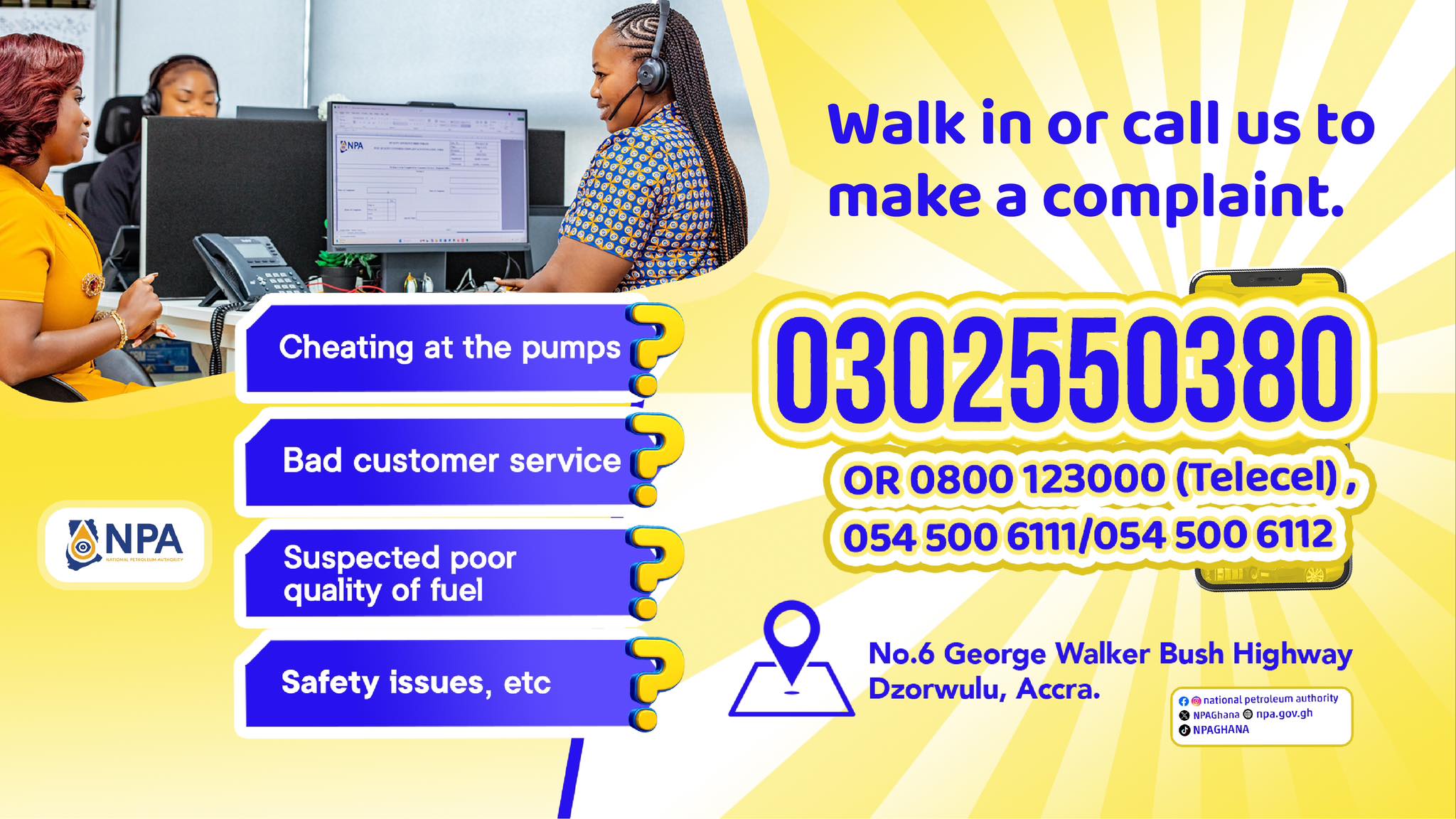
Officials advised students and staff to buy LPG from licensed outlets, keep cylinders upright in well-ventilated spaces, check for leaks with soapy water and close cylinder valves after cooking. They also discussed the dangers of fuel siphoning, the importance of fuel quality, consumers’ rights and how to lodge complaints.
The NPA said it would continue working with institutions, communities and households to support Ghana’s target of having 50% of households use LPG by 2030.
Discover more from Energy News Africa
Subscribe to get the latest posts sent to your email.