


Iran War Throws Oil Market Into Biggest Crisis In Decades
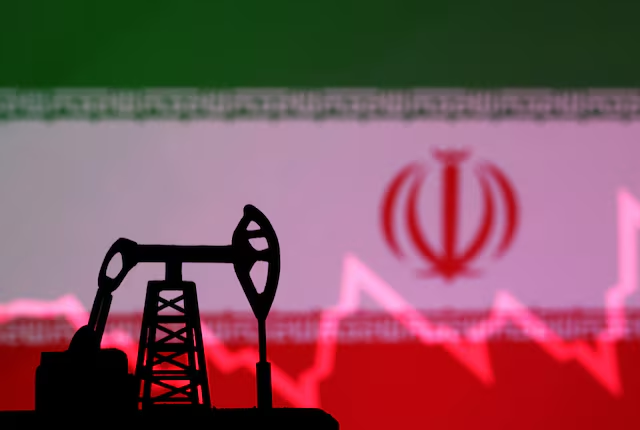
Global energy markets face one of their gravest shocks in decades as joint U.S. and Israeli strikes on Iran and Tehran’s retaliatory missile attacks across the Gulf disrupt oil exports from the world’s most important producing region.
The scale of the disruption will likely be determined by the duration of the conflict, but for now the threat and the uncertainty are already enough to severely impact flows from the region that accounts for 20% of global oil supplies.
Barring a swift resolution, oil prices will likely see steep increases when trading opens on Monday morning. Benchmark Brent crude oil prices rose in recent weeks to around $70 a barrel, their highest since August 2025 as investors braced for military confrontation in the Middle East.
The United States and Israel carried out military strikes on Iran on Saturday, targeting senior leaders and plunging the Middle East into a widening conflict.
U.S. President Donald Trump said the attacks would eliminate a security threat to the United States and give Iranians an opportunity to topple their rulers.
For now, there is no confirmed damage to oil and gas infrastructure from retaliatory Iranian strikes.
Explosions were reported in the United Arab Emirates and Kuwait, two major oil exporters.
Meanwhile, Qatar, the world’s second-largest exporter of liquefied natural gas, said it intercepted missiles aimed at the country.
Blasts were also heard in Bahrain and near Iran’s Kharg Island, the terminal through which about 90% of its crude exports normally flow, although shipping data suggests Tehran had transferred most of the oil stored there onto tankers in recent days.
Crucially, there have so far been no reports of disruptions to shipping through the Strait of Hormuz, the narrow waterway between Iran and Oman that handles nearly 20 million barrels per day of crude oil and refined products.
CAUTION MEANS DISRUPTION
But the absence of physical damage may not matter much.
The risk that tankers could be stranded inside the Gulf, north of Hormuz, or that vessels could be targeted, is already enough to force producers, traders and shippers to rethink movements of oil and LNG.
Reuters has reported that some oil majors and trading houses have suspended shipments through the strait for several days.
That caution is unlikely to ease until there is far greater confidence in the safety of the region’s sea lanes.
Tanker freight rates, which had already been climbing as tensions escalated, are set to rise further.
Benchmark rates for very large crude carriers from the Middle East to China have more than tripled since the start of the year, reflecting both heightened risk and the shrinking pool of willing vessels.
The key questions now are whether energy infrastructure will be directly targeted and how quickly the U.S. military can secure shipping routes across the Gulf and the Strait of Hormuz.
It is worth noting that the Strait of Hormuz has never been fully blocked.
While Iran is unlikely to sustain a prolonged blockade, it has the capability to disrupt traffic temporarily.
The U.S. Navy would almost certainly respond swiftly, but even short-lived attacks or mine-laying operations could have outsized effects on prices and supply.
Such tactics would not be unprecedented. During the 1980s Iran-Iraq war, Iran attacked commercial shipping and U.S. naval vessels, prompting President Ronald Reagan to deploy U.S. forces to escort tankers in Operation Earnest Will.
More recently, in late 2007 and early 2008, there were repeated confrontations between Iranian and U.S. naval forces. And in April 2023, Iran’s navy seized the Advantage Sweet crude tanker, chartered by Chevron, in the Gulf of Oman. The vessel was released more than a year later.
GLOBAL SUPPLY CUSHION
The global oil market is relatively well supplied today, after production from the United States, Brazil, Canada and other countries rose in recent years.
Saudi Arabia, the world’s top oil exporter, has also not sat idle in the face of the risk to supply.
In recent days the kingdom increased crude shipments, which are set to exceed 7 million barrels per day in February, the highest since April 2023, according to shipping analytics firm Kpler.
OPEC+, which comprises the Organization of the Petroleum Exporting Countries and allies like Russia, is expected to agree on an output increase during a meeting on Sunday.
Of course, disruptions to export routes from the Middle East could negate much of the production increases from regional producers, though Saudi and the UAE have some alternative export routes.
The scale of the U.S. and Israeli strikes, and Trump’s language, suggest Washington is bracing for a sustained military campaign aimed at severely weakening Iran’s leadership.
How threatened Iran’s leadership feels may determine whether it escalates further by attacking a broader range of targets across the region, including oilfields, export terminals and processing facilities.
But even without that worst-case scenario, the conflict is already set to disrupt vital energy supplies from the Middle East in ways not seen for decades.
Israel Shuts Down Gas Fields After Us-Israel Strikes On Iran
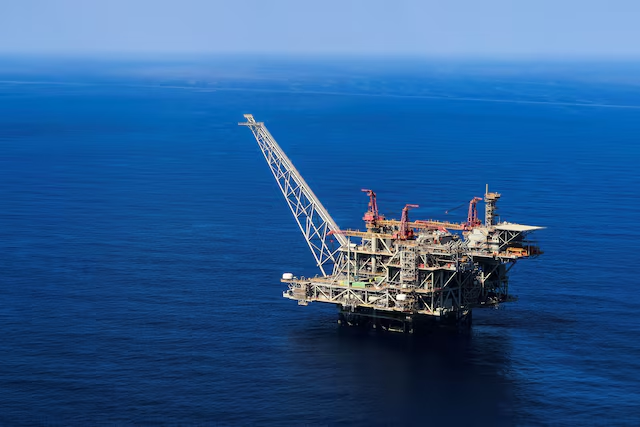
The Israeli Energy Ministry has ordered the temporary shutdown of parts of the country’s natural gas reservoirs after Israel and the United States on Iran on Saturday.
The Leviathan gas field offshore Israel, operated by Chevron has been shut down, three sources told Reuters.
Energean’s production vessel that serves several Israeli fields has also been shut down, the company said in a statement.
Israel’s ministry said the decision was based on “the current situation and in accordance with security assessments”.
It said country’s energy needs would be met through alternative sources and that the electricity sector was prepared to operate power stations using alternative fuels if necessary.
Chevron directed a request for comment to the ministry, which declined to specify which fields were affected.
Ghana Pushes Electricity Access To 89.05% After Connecting 200 Rural Communities

Ghana in 2025 connected 200 rural communities to the national electricity grid, pushing the West African nation’s overall electricity access rate to 89.05%.
Delivering the State of the Nation Address on Friday in Parliament, Ghana’s President, John Dramani Mahama, announced that an additional 200 rural communities would be connected to the national grid.
According to the President, electrification projects are currently at various stages of completion in 100 communities.
He said the government remains committed to ensuring that every Ghanaian has access to reliable and affordable electricity.
Ghana stands tall in West Africa as the country with the highest electricity access rate.
Zambia: Consumer Association Joins ERB And ZESCO To Investigate Prepaid Meter Credit Depletion

The Zambia Association of Consumers (ZACA) has joined the ongoing electricity meter verification exercise, this portal can report.
Executives of the association on Friday were seen accompanying officials from the Energy Regulation Board (ERB) as they visited homes on the Copperbelt to conduct a thorough assessment of electricity meters in the area.
The ERB is leading a team comprising the Zambia Metrology Agency (ZMA) and ZESCO Limited to verify electricity meters following complaints of rapidly depleting prepaid units.
Mr Peter Nsemiwe, ZACA Copperbelt Coordinator, joined the verification team in Kitwe.
The exercise follows nationwide complaints by consumers that their prepaid meter credit is running out faster than expected.
Earlier this month, Energy Minister Makozo Chikote directed the ERB to investigate the claims and submit a report.
In recent weeks, many households across Zambia have raised concerns over what they describe as unusually fast depletion of prepaid electricity units, prompting calls for regulatory intervention.
Consumer groups have demanded transparency in meter accuracy, billing systems and tariff application.
The verification exercise is aimed at testing the accuracy, calibration and compliance of prepaid meters to ensure customers are billed correctly and to restore public confidence in the country’s metering system.
Authorities say findings from the inspections will inform further action, including possible technical adjustments or policy measures where necessary.
Ghana: Energy Minister Tours GSA Meter Lab To Assess Meter Testing Capacity

Ghana’s Minister for Energy and Green Transition, Dr. John Abdulai Jinapor, on Thursday, February 26, 2026, paid a working visit to the Ghana Standards Authority (GSA) state-of-the-art Meter Laboratory at its head office in Accra.
The fact-finding visit was, among other things, to familiarise himself with the operations of the laboratory, including the calibration and verification of utility meters in the country, understand the testing procedures involved, and assess the facility’s capacity and scope.
During the tour, he received a detailed briefing on the laboratory’s functions and the work it undertakes.
The Minister said he was impressed with what he observed and expressed his delight at engaging with the GSA team.
He added that he would return to Cabinet to pursue a standardised policy framework to strengthen collaboration among the Public Utilities Regulatory Commission (PURC), Energy Commission of Ghana, the Energy Ministry, the GSA, and utility companies to ensure all utility meters are properly tested and certified.
“We had the opportunity to observe at first hand the rigorous testing processes that ensure the accuracy, safety and reliability of energy meters used across the country.
“The level of precision, professionalism and dedication displayed by the technical team was impressive and reassuring.
“Quality standards are not just technical requirements; they are the backbone of trust and fairness between consumers and utility companies,” Dr. Jinapor said in a post on Facebook.
According to him, strong collaboration among institutions is essential to safeguard consumers and strengthen confidence in the country’s energy systems.
The Minister was accompanied by the Executive Secretary of the Energy Commission, Adwoa Serwaa Bondzie, and other ministry officials.
Meanwhile, some electricity consumers have complained about the rapid depletion of their prepaid credit, prompting the Minister to issue a seven-day ultimatum directing the PURC, the Energy Commission, and the Electricity Company of Ghana (ECG) to investigate the matter and submit a report.
Ghana: PURC Gives ECG 48 Hours To Address Rapid Prepaid Meter Credit Depletion

The Public Utilities Regulatory Commission (PURC), Ghana’s economic regulator for electricity and water, has issued a 48-hour ultimatum to the Electricity Company of Ghana (ECG) to address growing consumer complaints regarding the rapid depletion of prepaid electricity credits.
The directive follows an emergency meeting between the regulator and the power distributor after widespread complaints from consumers about prepaid electricity units running out unusually fast.
According to PURC, ECG has been instructed to submit a detailed report addressing the concerns and outlining the steps being taken to rectify the situation.
Last Wednesday, the Energy Minister, Dr. John Abdulai Jinapor, announced that the Energy Commission, PURC, and ECG had been given a seven-day ultimatum to investigate claims by some consumers that their prepaid credits were depleting rapidly.
Speaking on Accra-based Channel One TV on Thursday, February 26, the Acting Executive Secretary of PURC, Dr. Shafic Suleman, said the move is aimed at safeguarding consumer interests and ensuring improved service delivery.
“The consumer must be protected and safeguarded and must have equal access to ECG, and that is the focus. ECG is expected to work timeously to solve the problem,” he said.
Dr. Suleman expressed confidence that ECG would act swiftly to resolve the matter but warned that the Commission would not hesitate to apply lawful measures should the company fail to comply with the directive.
Nigeria: Gas Shortage Cuts Nigeria’s Power Output To 4,300MW — NISO

Nigerian Independent System Operator (NISO) has attributed intermittent power supply across the country to generation shortfalls caused by inadequate gas supply to thermal generating stations.
According to the system operator, available operational data indicate that thermal power plants collectively require an estimated 1,629.75 million standard cubic feet (MMSCF) of gas per day to operate at optimal capacity.
However, as of February 23, 2026, actual gas supply to the stations stood at approximately 692.00 MMSCF, representing a significant shortfall in daily gas requirements.
The available gas supply represents less than 43 percent of the required volume, resulting in constrained generation output.
In a statement issued on Friday, February 27, 2026, NISO said the situation has reduced average available generation to approximately 4,300MW.
“The current low generation level is fundamentally driven by inadequate gas supply to thermal generating units, leading to reduced energy allocation to the DisCos,” the statement said.
Thermal plants account for the dominant share of Nigeria’s generation mix; therefore, any disruption or limitation in gas supply directly affects available generation capacity and overall grid output.
NISO added that, given the circumstances, it has been compelled to implement load shedding across the system while dispatching available energy in line with the Nigerian Electricity Regulatory Commission (NERC) MYTO allocation percentages across all distribution networks to maintain grid stability and prevent system disturbances.
The system operator expressed regret over the inconvenience caused to electricity consumers and affected market participants, assuring that it would continue to work closely with relevant stakeholders to ensure full energy allocation as soon as gas supply improves and generation capacity is restored.
Trump Slaps 126% Tariff On Indian Solar Panels In Escalating Trade Fight
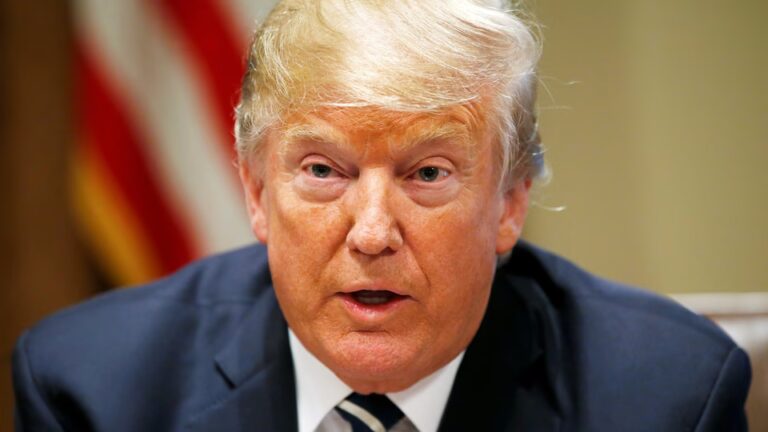
Donald Trump, President of the United States, has announced sweeping new tariffs on India, stating that solar panel imports into the U.S. will now be subject to duties of 126%.
The move follows findings that India subsidised its solar panel industry at roughly the same rate. Laos and Indonesia were also targeted with import tariffs corresponding to the subsidy levels their governments provide to domestic solar manufacturers.
The tariffs stem from a trade case filed with the United States Department of Commerce by the U.S. solar manufacturing industry.
A fact sheet published on the department’s website shows that U.S. imports of solar panels from India surged from $83.86 million in 2022 to $792.65 million in 2024, amid tighter restrictions on Chinese solar imports and heightened price sensitivity in the market.
Bloomberg reported that India, Indonesia, and Laos together accounted for 57% of all solar panel imports into the United States in the first half of last year, with combined shipments valued at $4.5 billion.
The U.S. solar equipment manufacturing industry has long sought to curb imports of low-cost Asian products. According to Financial Times, Asian solar panels drove global prices down by about 50% within 12 months two years ago, reducing prices to as low as $0.10 per watt.
Although the U.S. solar industry also received subsidies during the previous administration, support levels were far lower by comparison. Pressure from domestic manufacturers previously led to tariffs on Chinese panel exports, just as India was ramping up its own solar production capacity.
“American manufacturers are investing billions of dollars to rebuild domestic capacity and create good-paying jobs. Those investments cannot succeed if unfairly traded imports are allowed to distort the market,” the lead attorney for the Alliance for American Solar Manufacturing and Trade said, according to Reuters.
Nigeria: Court Orders Oriental Energy to Pay $43.5m to Founder’s Twin Daughters in Dividend Dispute

A Federal High Court of Nigeria has ordered Oriental Energy Resources Ltd., the private oil company founded by billionaire Muhammadu Indimi, to pay his twin daughters $43.51 million following a protracted legal battle over dividends that has drawn one of the country’s most prominent business dynasties into open court, BusinessDay Nigeria has reported.
The ruling represents a significant victory for Ameena and Zara Indimi, who argued that they were wrongfully excluded from a dividend pool tied to approximately $435.1 million that the company was said to have declared. The amount implied a combined 10 percent entitlement if their claimed shareholdings were upheld.
The sisters alleged that their individual stakes were reduced without due process, effectively depriving them of dividend payouts they say were rightfully theirs.
Oriental Energy, a Lagos-based exploration and production firm with key offshore assets in the Niger Delta, is one of Nigeria’s better-known privately held upstream operators. The company was built over several decades by Indimi, a businessman whose interests span energy and finance.
Indimi, whose business profile and philanthropic activities have made him one of the country’s most recognisable figures, has not publicly commented on the judgment. Oriental Energy has also not disclosed details of its financial position or share register, which is common among private upstream companies operating outside mandatory public reporting requirements.
The precise methodology behind the $43.51 million award and the timeline for compliance have not been fully disclosed in public reports. However, the court clearly sided with the daughters on the core question of entitlement, a decision that could shift the balance of power in any negotiations that follow.
Enforcement, however, may prove as consequential as the judgment itself. Private companies in Nigeria often have several avenues to delay or challenge adverse rulings, and a potential appeal could significantly prolong proceedings. Whether the daughters ultimately receive payment — and on what timeline — will test both the robustness of the ruling and the family’s willingness to settle rather than pursue further litigation.
The next phase — appeal, enforcement action, or a negotiated settlement — will determine whether the court’s order results in payment or becomes merely another chapter in a legal saga whose final resolution remains uncertain.
Angola’s State Oil Firm Looks To Tap Into Critical Minerals

Sonangol is seeking stakes and footprints in the development of critical minerals domestically, Sebastiao Gaspar Martins, the chief executive of Angola’s state-held oil company, has said.
Sonangol on Wednesday reported slightly lower net profit for 2025 compared to 2024, but the company wants to capitalize on the critical minerals momentum.
Sonangol has seven concessions for lithium, uranium, and quartz exploration, Gaspar Martins said, as carried by Reuters.
“Sonangol wants to diversify into critical minerals essential for the energy transition, will be very useful for us to also have a stake and a presence in the development of these minerals,” the executive said at the presentation of the 2025 earnings.
At the end of last year, Angola’s Minerals and Petroleum Minister, Diamantino Azevedo, called on the mining industry regulators to accelerate the permitting phase of new projects as one of Africa’s top oil producers looks to attract investments in critical minerals mining.
Azevedo said that the country needs to attract greater investment, support small and medium-sized enterprises (SMEs), and closely monitor projects that are not in the production phase yet.
Angola is rich in mineral resources including manganese, copper, gold, phosphates, granite, marble, uranium, quartz, lead, zinc, wolfram, tin, fluorite, sulfur, feldspar, kaolin, mica, asphalt, gypsum, and talc, according to the U.S. Department of Commerce’s International Trade Administration.
In October 2025, Angola launched production at its first major copper mine, Tetelo, as the country looks to diversify in critical minerals.
The developer of the project, Shining Star Icarus, a partnership between China’s Shining Star International Group and Angola’s Sociedade Mineira de Cobre de Angola, expects to produce around 25,000 metric tons of copper concentrate per year during its initial phase.
The project is worth $305 million in investment, Angola’s government said.
While looking to diversify in critical minerals, Angola also seeks to reinvigorate its oil production that has stagnated in recent years due to a lack of investment.
Tanzania: SADC Impressed By Tanzania’s Strategies On Clean Cooking Energy Agenda

The Southern African Development Community (SADC) has expressed admiration for Tanzania’s strategies to accelerate the adoption of clean cooking energy, particularly measures to remove taxes and provide subsidies for equipment such as gas cylinders and improved cookstoves, alongside public awareness campaigns.
Speaking during the Ministers’ Dialogue on Sustainable Energy at the SADC Sustainable Energy Week, held in Victoria Falls, Zimbabwe (February 23–27, 2026), Deputy Minister of Energy Hon. Salome Makamba said Tanzania aims to achieve 80 percent adoption of clean cooking energy by 2034, while the National Energy Master Plan targets 75 percent by 2030.
Makamba explained that the government has prioritized institutions serving more than 100 people — including prisons, military camps, schools, and large markets — by installing clean cooking energy systems, a move described as innovative and impactful.
She added that Tanzania has extended electricity access to all 12,318 villages on the mainland, increasing national electricity access to 85.5 percent.
According to her, the country’s power generation capacity has reached 4,437 megawatts and is projected to rise to 8,000 megawatts by 2030.
Meanwhile, SADC Executive Secretary Elias Magosi commended Tanzania for leading regional efforts to promote clean cooking energy, noting that the initiative is driving positive social, economic, and environmental change across the region.
The event was officially opened by Constantino Chiwenga, Vice President of Zimbabwe, who emphasized the importance of African countries leveraging renewable energy resources as a catalyst for economic development.
Zambia: Yango Unveils Electric Motorbike Fleet To Advance Green Mobility

The Government of Zambia on Wednesday officially unveiled Yango’s electric motorbike fleet at the Mulungushi International Conference Centre, marking a significant milestone in the country’s transition toward sustainable urban transport.
Zambia’s Minister for Green Economy and Environment, Mike Elton Mposha, described the launch as a historic moment that goes beyond the mere handover of motorbikes, signaling a bold new chapter in the nation’s journey toward environmentally responsible and inclusive development.
He noted that the introduction of more than 100 electric motorbikes — part of an initial fleet of 150 units already in the country — reflects the Government’s deliberate commitment to ensuring that economic growth progresses hand in hand with environmental stewardship.
The Minister explained that the initiative is firmly anchored in the Green Economy and Climate Change Act No. 18 of 2024 and the National Green Growth Strategy (2024–2030), which together provide the legal and policy framework for low-carbon, climate-resilient development.
He emphasized that the transport sector is central to Zambia’s climate response under the Paris Agreement, adding that the shift to electric motorbikes will reduce greenhouse gas emissions, cut noise pollution, and improve air quality, particularly in Lusaka.
Mike Elton Mposha commended Yango Zambia for aligning private sector innovation with national policy priorities and praised its partnership with the Lusaka City Council to establish charging infrastructure across the city.
He further highlighted that the electric motorbikes — featuring extended range, a quick battery swap system, strong load capacity, and a three-year warranty — are well suited to Zambia’s operating conditions while creating cost-saving opportunities for delivery riders.
The Minister concluded by officially declaring the electric motorbike fleet launched and called on stakeholders to embrace electric mobility as the future of sustainable development, job creation, and environmental responsibility in Zambia.
Ghana: Vivo Energy Ghana Supports Children’s Health

Vivo Energy Ghana PLC, the exclusive distributor and marketer of Shell-branded fuels and lubricants in Ghana, has donated syringe and infusion pumps to the Department of Child Health at Korle Bu Teaching Hospital as part of its annual Energising Hope initiative.
The donation, made on February 23, 2026, aims to improve healthcare outcomes for children and support vulnerable communities.
The equipment will enable the hospital to automate the precise delivery of fluids, medication, and nutrients, allowing healthcare professionals to treat young patients more effectively.
This is particularly significant for the facility, which handles high patient volumes and often faces challenges in accessing essential medical equipment.
Vivo Energy Ghana’s Managing Director, Christian Li, emphasized the company’s commitment to supporting communities.
“At Vivo Energy Ghana, ‘caring’ is not just a value we talk about; it is a value we live. Energising Hope reminds us that our role as a responsible corporate entity goes beyond providing energy solutions. It is about touching lives, supporting communities, and showing compassion where it is needed most.
Children represent the promise of tomorrow, and we are honoured to contribute to their healing journey and overall well-being,” he said.
The initiative also brought joy to young patients and their families, as Vivo Energy Ghana employees visited the children’s ward with roses and chocolates.
The ward was filled with smiles and laughter as the children welcomed the surprise gifts, while parents and guardians expressed appreciation for the thoughtful gesture.
Paediatric oncologist Ernestina Schandorf expressed gratitude for the timely donation, noting that it would significantly strengthen the department’s capacity to deliver quality healthcare.
“The syringe and infusion pumps will enable us to treat young patients more effectively, ultimately improving the quality of healthcare delivery for children receiving treatment,” she said.
The Energising Hope initiative reflects Vivo Energy Ghana’s vision to be Africa’s leading and most respected energy business, combining operational excellence with meaningful community engagement. The company has maintained a strong track record of supporting communities, and the donation underscores its commitment to making a positive social impact.
Vivo Energy Ghana has operated in the country since 2013 and maintains a strong presence in the downstream energy sector, with a fuels storage capacity of 11,000 cubic metres and about 250 service stations nationwide, many of which offer Shell Cards and convenience retail services.
The donation has been welcomed by hospital authorities and the wider community and is expected to make a significant difference in the lives of children receiving treatment.
Ghana: Energy Minister Commissions Indian Smart Meter Manufacturing Facility In Tema

An Indian smart meter manufacturing firm, MBH Power Limited, has commissioned a modern meter production facility in Tema Community 1 near the Mankoadze Roundabout, reaffirming its commitment to support Ghana’s efforts to address meter shortages and reduce reliance on imports.
The nearly US$1 million facility has the capacity to produce about 750,000 smart meters annually, enabling the country to meet its growing demand for electricity meters.
MBH Power Limited has operated in Ghana since 2007 and has executed several projects, including the supply and installation of shunt capacitors and participation in the Self-Help Electrification Project across parts of the Ashanti Region and Brong Ahafo Region under an Exim Bank-funded initiative.
The company initially ventured into meter assembly from rented premises before acquiring an old property, which it redeveloped into the new modern manufacturing facility, demonstrating its long-term confidence in Ghana’s economic growth.
Speaking at the commissioning ceremony, Niket Goel, Country Head of MBH Power Limited, said the new facility reflects the company’s long-term commitment and resolve to remain a dependable partner to Ghana’s power sector.
He noted that the company is ready to support Ghana’s development aspirations and plans to make further investments to expand production capacity.
Goel added that the locally manufactured smart meters would play a significant role in reducing power theft and ensuring improved revenue flows across the electricity distribution and generation value chain.
“We are dedicated to supporting Ghana’s economic growth and providing reliable energy,” he said.
“We are not just investors but partners in progress.”
 Meanwhile, John Abdulai Jinapor, Minister for Energy and Green Transition, praised the company for investing in the country, stressing that the facility would significantly boost local meter production and help address long-standing supply challenges affecting consumers nationwide.
“As a Minister, I find this situation deeply disturbing. Without a meter, a consumer cannot properly account for and pay for electricity consumed,” he said.
Meanwhile, John Abdulai Jinapor, Minister for Energy and Green Transition, praised the company for investing in the country, stressing that the facility would significantly boost local meter production and help address long-standing supply challenges affecting consumers nationwide.
“As a Minister, I find this situation deeply disturbing. Without a meter, a consumer cannot properly account for and pay for electricity consumed,” he said.
 The Minister disclosed that he has engaged the Electricity Company of Ghana (ECG) and the Northern Electricity Distribution Company (NEDCo) to streamline procurement and distribution processes.
According to him, the operationalisation of the new factory marks a turning point and is expected to ensure that persistent meter shortages become a thing of the past.
The Minister disclosed that he has engaged the Electricity Company of Ghana (ECG) and the Northern Electricity Distribution Company (NEDCo) to streamline procurement and distribution processes.
According to him, the operationalisation of the new factory marks a turning point and is expected to ensure that persistent meter shortages become a thing of the past.

Meanwhile, John Abdulai Jinapor, Minister for Energy and Green Transition, praised the company for investing in the country, stressing that the facility would significantly boost local meter production and help address long-standing supply challenges affecting consumers nationwide.
“As a Minister, I find this situation deeply disturbing. Without a meter, a consumer cannot properly account for and pay for electricity consumed,” he said.
The Minister disclosed that he has engaged the Electricity Company of Ghana (ECG) and the Northern Electricity Distribution Company (NEDCo) to streamline procurement and distribution processes.
According to him, the operationalisation of the new factory marks a turning point and is expected to ensure that persistent meter shortages become a thing of the past.